Interview With the Authors
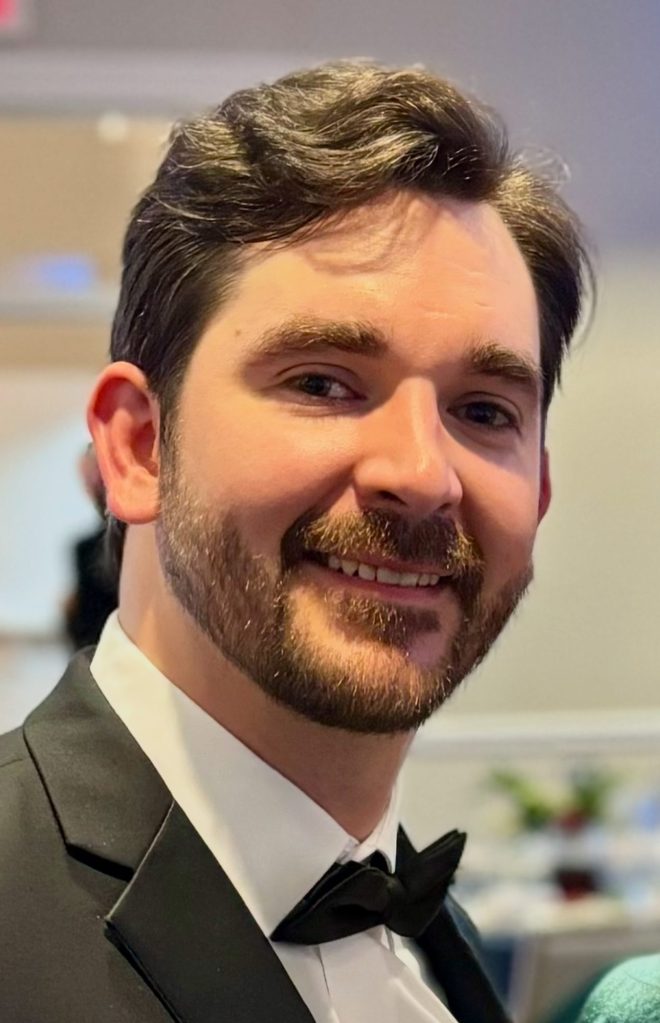
Jesse Parkman
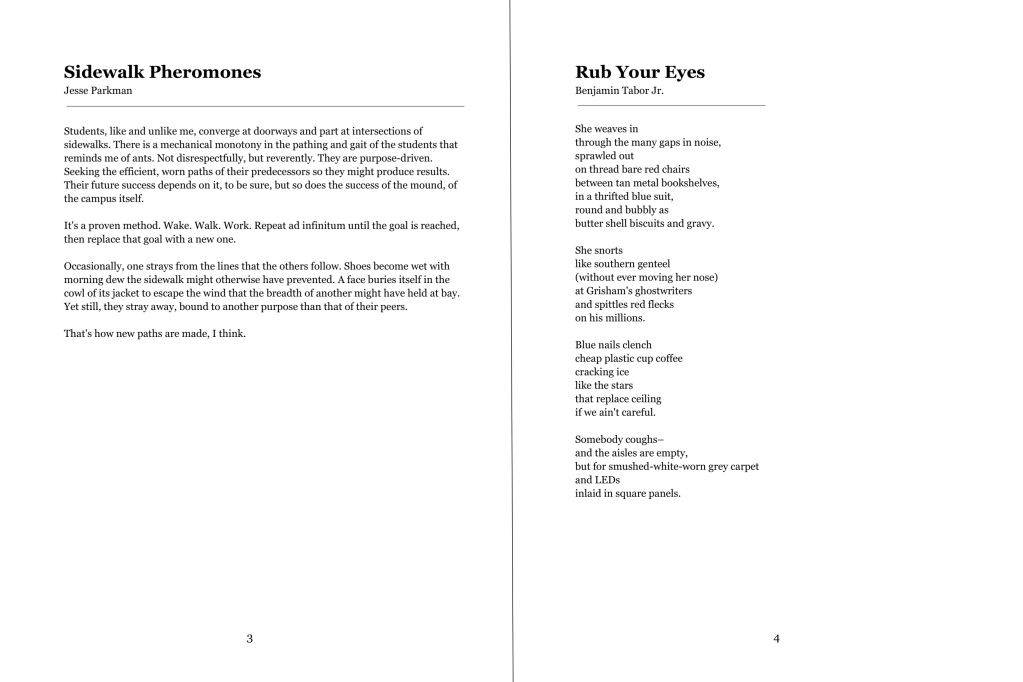
Jesse Parkman is an undergraduate student at the University of Mississippi, where he is pursuing a B.F.A. in Creative Writing. A veteran of the Mississippi Army National Guard, Jesse deployed with the Support Company of the 2nd Battalion 20th Special Forces Group (Airborne) as a Satellite Communications Operator prior to attending Ole Miss. As an aspiring author who is passionate about his craft, Jesse enjoys both poetry and prose and hopes to develop those skills through his education. When not writing or spending time with his wife, Jesse enjoys cinema and music.
1. What inspired you to become a writer, and how did your journey into writing begin?
During a particularly rough semester, I began asking myself if I was interested in or passionate about what I was studying. The truth was I wasn’t. The classes I was taking were for a career that would be successful but wouldn’t make me happy. One of my professors suggested that I try my hand at creative writing, and I haven’t looked back. Nor do I want to.
2. What challenges do you face when writing, and how do you overcome them?
I find it difficult to stay on task. It’s hard to constrain my mind to a single task when my pocket is buzzing and the dog is barking and the Square is just a few miles away. I lean on my wife to keep me focused.
3. What themes do you find yourself returning to in your writing, and why do they resonate with you?
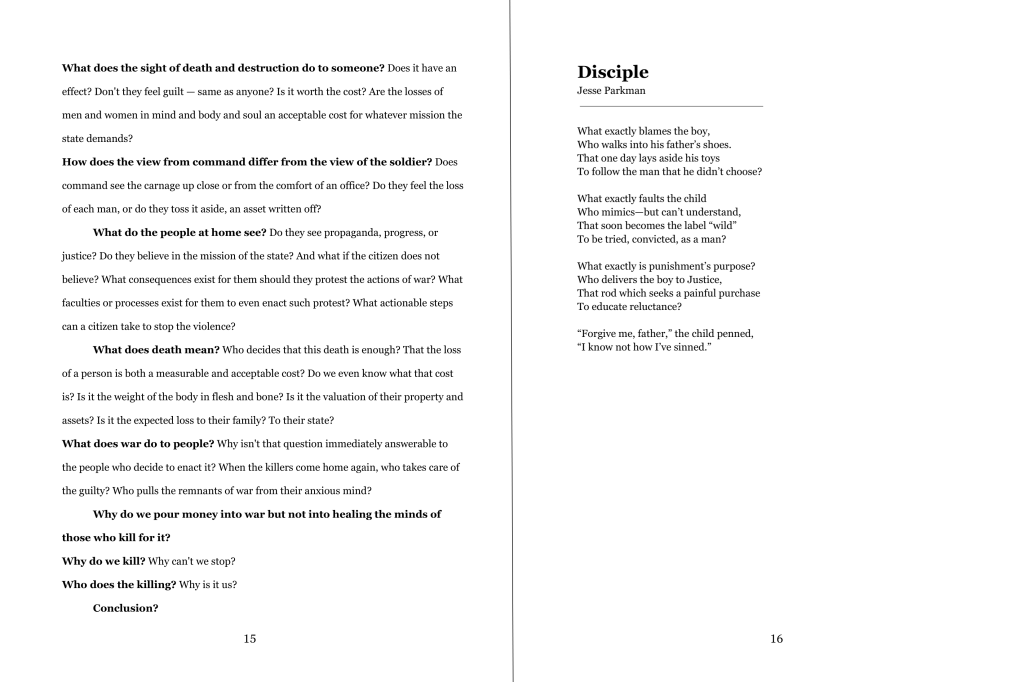
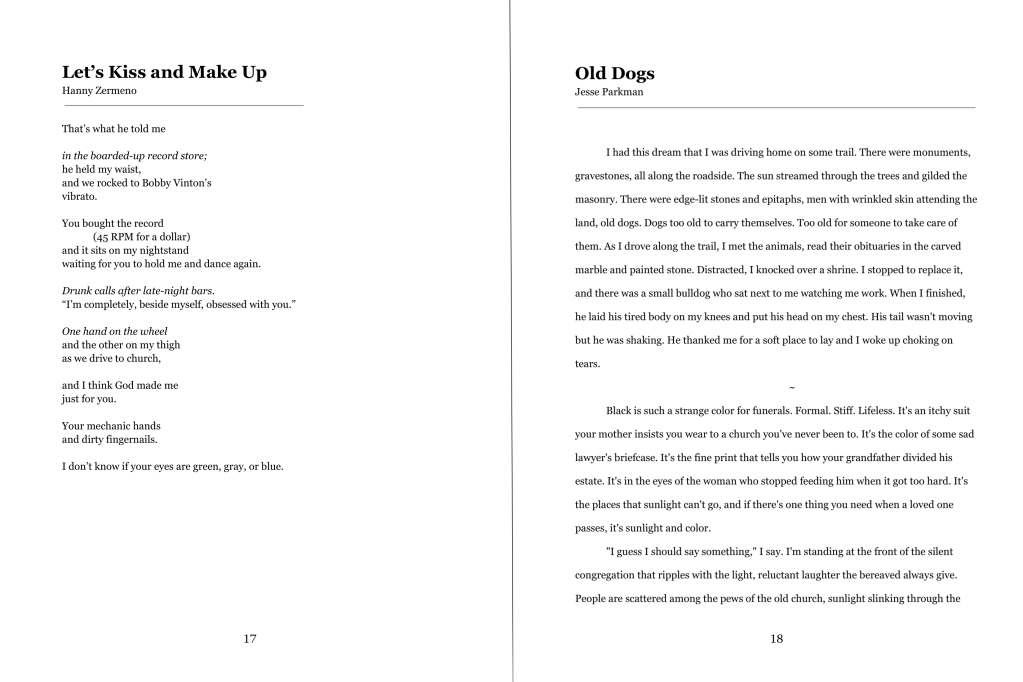
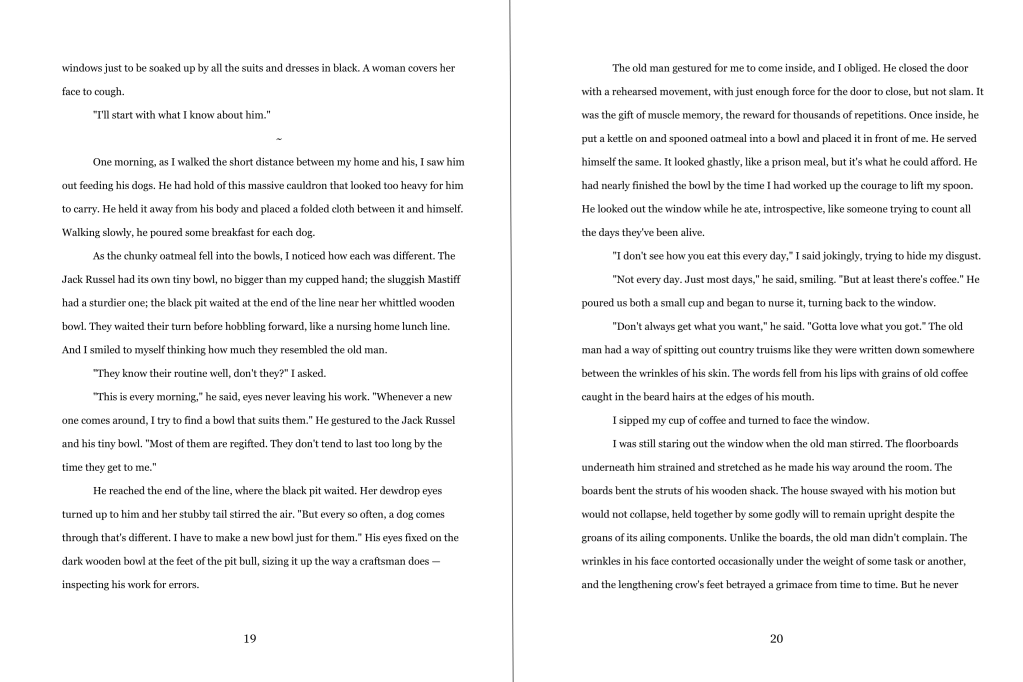
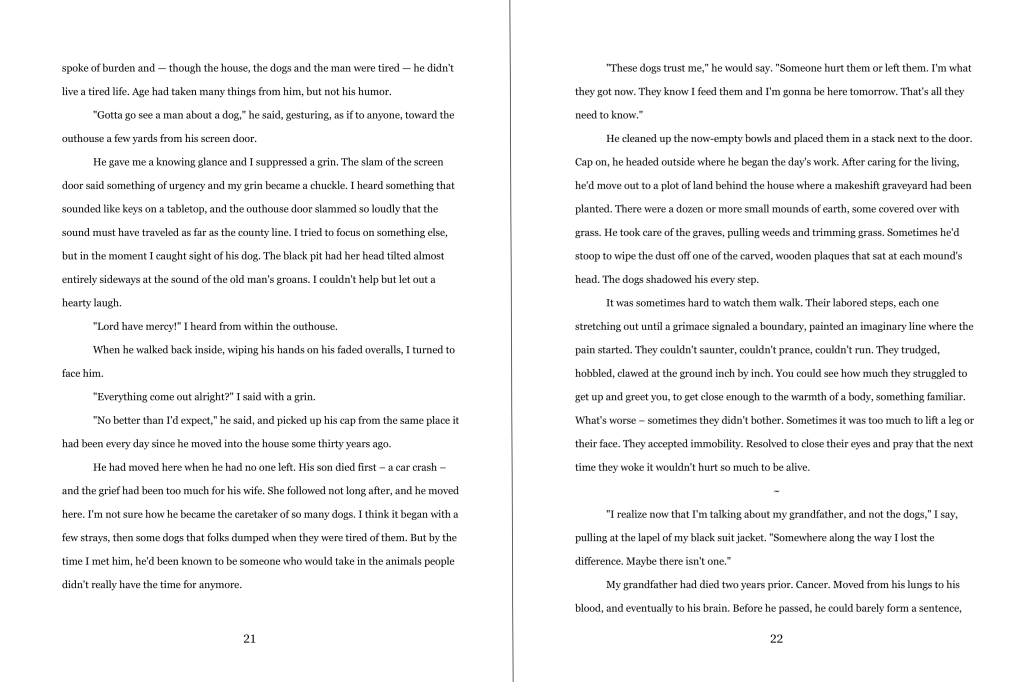
Loss. Grief. Mourning. Abuse. Rilke says “Surely all art is the result of one’s having been in danger, of having gone through an experience all the way to the end, to where no one can go any further.” This quote resonates with me because I think the majority of the art I make that feels successful comes from truth in my life. I may introduce a fictional narrator or fictional source of grief, but the emotion that I write with is my own.
4. What advice would you give to aspiring writers who are trying to find their voice or break into the writing world?
Try. The most important step you can take as a writer is the next one. If you haven’t written, write. If you haven’t written at length, write longer. You’ll feel like you don’t know what you are doing but just put some words down on the page. If you don’t like them, change them. If you like them, keep going. The process of becoming a writer and writing are one and the same. I am writing, and I think that makes me a writer. Never mind what anyone else has to say about it.
5. Can you tell us about a piece of your writing that was particularly meaningful to you? Why was it so special?
I wrote an essay in my second semester here titled Driver’s Seat. I was supposed to write about why I was taking the class, but I had just experienced a car crash, and the experience was weighing heavy in my mind. I went on to explain that I was trying to better myself. That the trauma had encouraged me to seize the “driver’s seat” in my life and make something useful out of me. I wanted to write about that experience, and I hope now that through my writing I will encourage someone else to the same goal. To get out of the passenger seat and start driving.
Lamarcus Lenoir
Lamarcus is a freshman undergraduate at the University of Mississippi. Originally from Tupelo, Mississippi, Lamarcus is currently majoring in Psychology with a pre-med track. In his free time, Lamarcus enjoys writing, reading books, and listening to music. He hopes to one day be a psychiatrist to help people overcome their mental health challenges and improve their quality of life.
1. What inspired you to become a writer, and how did your journey into writing begin?
Writing has always been a safe space for me and a place where I can allow myself to feel feelings that may seem too big to vocalize. It has also allowed me to express my feelings free from judgment.
2. What challenges do you face when writing, and how do you overcome them?
Oftentimes, I have trouble knowing what to write about or I struggle to find the right verbiage to articulate myself in a way that I like. When this happens, I step away from the writing and don’t try to force something that does not want to show itself in the moment. I give it time and wait for the words to find me.
3. What themes do you find yourself returning to in your writing, and why do they resonate with you?
Love, grief, and violence are always themes that I come back to. There is so much I don’t know about living and I think a lot of my writing is trying to reconcile with the crushing weight of persevering in a world intent on erasing me. I guess in a way, my writing is my attempt to survive.
4. What advice would you give to aspiring writers who are trying to find their voice or break into the writing world?
No piece of writing is insignificant. Know that your voice is always important; what you have to say is always important. All too often, people try to take our voices. It would be a shame to let others use it more than you.
5. Can you tell us about a piece of your writing that was particularly meaningful to you? Why was it so special?
“This Anger Has No Home” is notably significant to me because I think this is one of the few times I felt like I was able to communicate exactly how I felt and still feel. I also believe that a lot of the sentiments explored resonate with a lot of people. Writing has always given me a comfort that the real world fails to achieve. I want to be able to share that sense of comfort with as many people who are willing to listen.
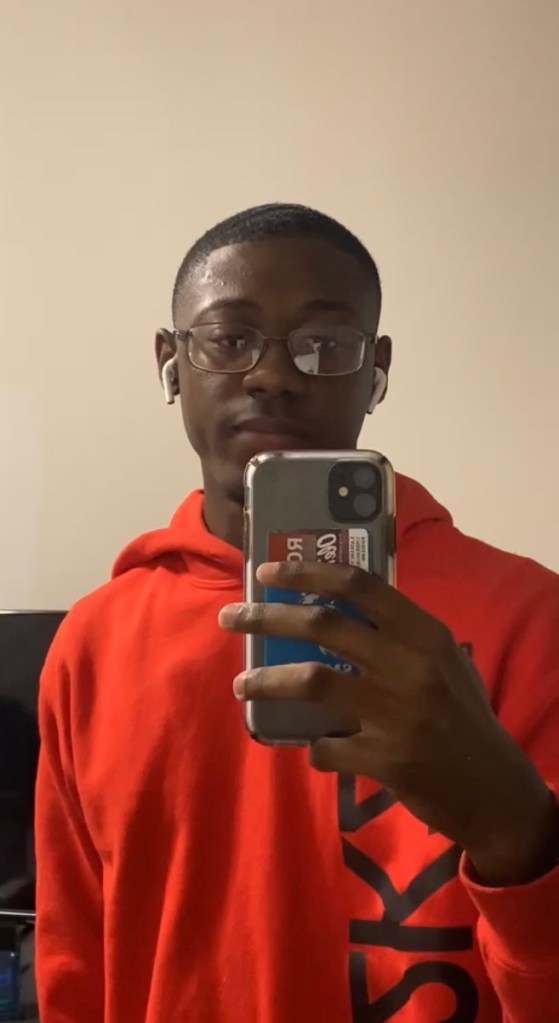
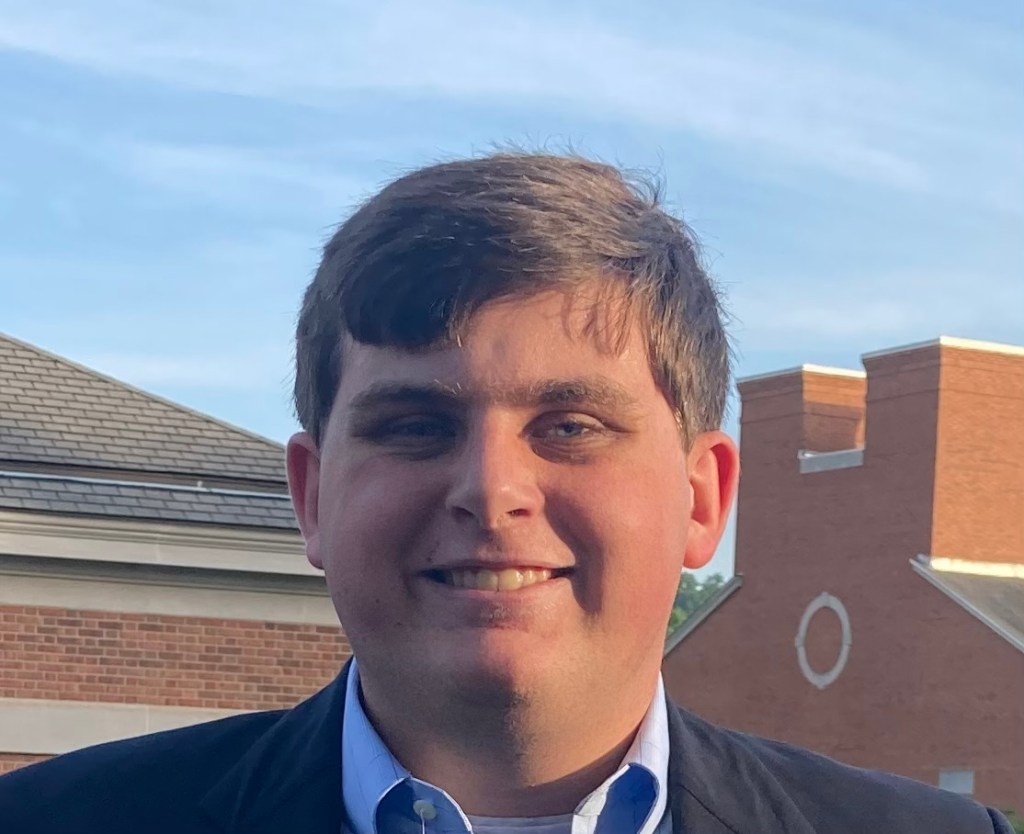
Christopher Woodry
Christopher Woodry is a poet, storyteller, and playwright currently studying at the University of Mississippi. His work deals with themes of class, gender, and the power of relationships. He currently lives in Alabama.
1. What inspired you to become a writer, and how did your journey into writing begin?
As a child, I loved writing stories and showing them to my family. When I was accepted into a writer’s workshop in high school, I was given my first taste of the power of writing as a space in the world. I loved it!
2. What challenges do you face when writing, and how do you overcome them?
When writing, I have an inner critic that likes to stop me from taking risks and convinces me that my work is absolute butt. In order to overcome this, I remember something important about writing: if you’re not sloppy now, you’ll be sloppy later.
3. What themes do you find yourself returning to in your writing, and why do they resonate with you?
Right now, I’ve been doing a lot of poetry that revolves around dogs. Dogs are such a relatable image, and they possess a multitude of themes. Over my life, though, I’ve focused a lot on themes of psychological undoing and the vacuous nature of class.
4. What advice would you give to aspiring writers who are trying to find their voice or break into the writing world?
To all beginning writers: think of the thoughts you have about your stories as a pig. Writing is fattening up that pig, and editing is carving the pig’s fat. Write a lot, so you can carve more fat off your story.
5. Can you tell us about a piece of your writing that was particularly meaningful to you? Why was it so special?
I’d have to say that the piece of writing that I cherish the most is a play I wrote in high school, Soldier, Won’t you Marry Me?. It’s rough, and not my best work, but I loved how I toyed with narrative and plot within that little thing.
 landshark literary review